
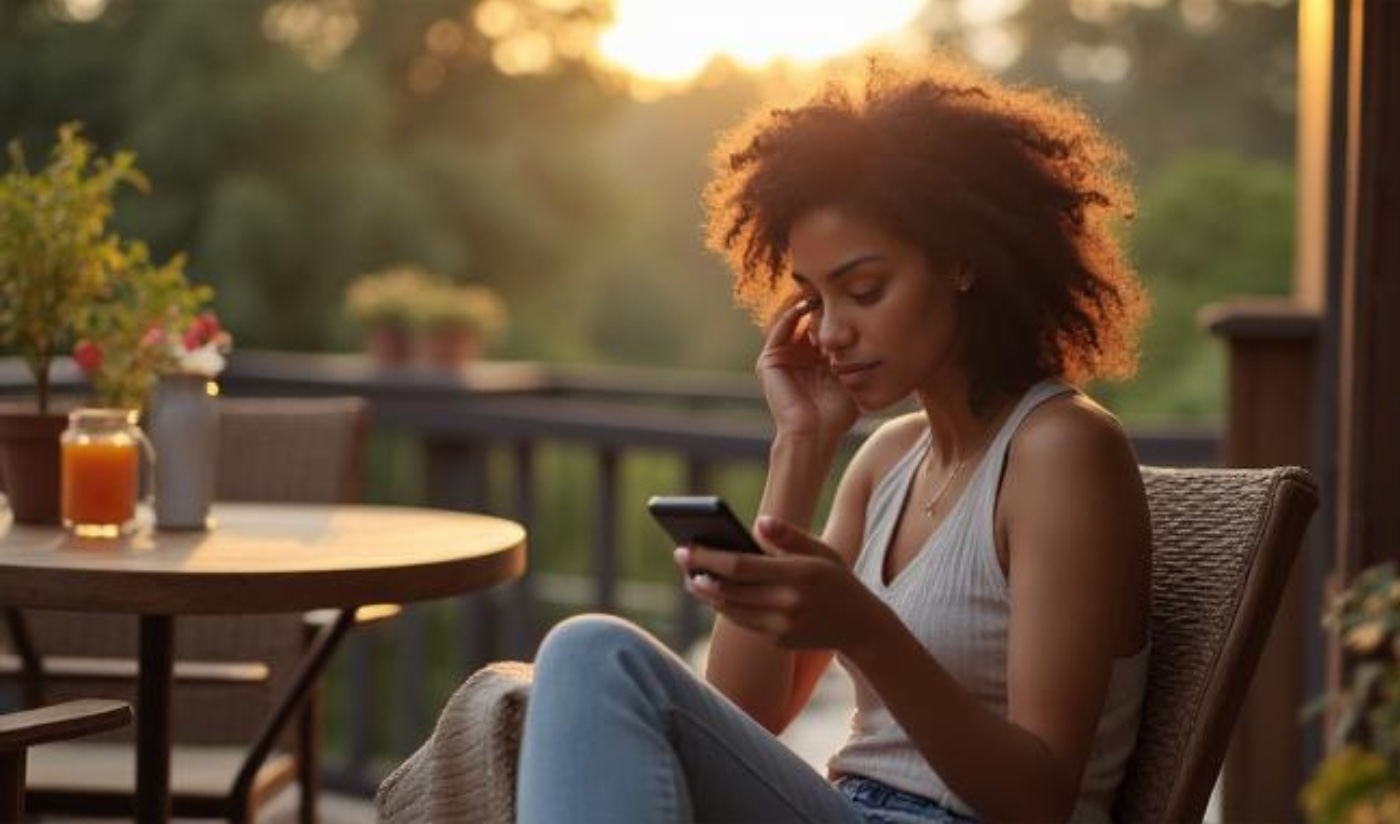
In a recent article about digital dependencies – or technology addictions – among Black Americans (view here) an interesting phenomenon was addressed that separates social media usage from other potentially problematic web-enabled activities such as online gambling, gaming, shopping, and content streaming. While excessive engagement on social media is a public health concern, it can also be a healthy vessel for millions of Americans, with Black women in particular experiencing empowerment when leveraging various platforms. If you can relate, individually or via a loved one’s usage of social media, attaining greater awareness about the balancing act between empowerment and unhealthy behavior is a cornerstone to prevention or intervention of the latter. Read ahead for further insight.
How Social Media Usage Can Be Both Empowering and Problematic for Black Women of America (and how to ensure healthier engagement)
I. How Social Media Can Empower Black Women
Social media can empower Black women to combat historical trauma and systemic racism by providing platforms for community building, amplifying voices, challenging negative stereotypes, and more. Below is a brief overview of the potential mental health benefits.
Positive Representation and Self-Image
Social networking platforms such as Instagram, TikTok, YouTube, and Pinterest have provided a virtual space for Black women to celebrate their culture, style, and beauty. This can improve self-image, present positive role models, and counter under-representation in mainstream media.
Building Community and Solidarity
Social media platforms are home to various communities where Black women gather, connect, support one another, and share experiences. These communities are both broad and niche, with social networks providing the opportunity to create ones that have never before been conceived. As a shining example, Textured Waves (started in 2019) has become a prominent social media collective founded by Black women for Black women surfers. Since its launch, it has effectively served to increase representation, inclusivity, and community for women of color in surfing. Founders Chelsea Woody, Danielle Black Lyons, and Martina Duran have leveraged social media and in-person meetups (organized via social media) to break down stereotypes, overcome intimidation, and normalize Black women in surf spots all around the world.
Movements and Social Change
Powerful movements that have been enabled through Instagram and TikTok highlight injustice, demand accountability, facilitate social change, and drive conversations on equality. It’s not just about activism, though, as hashtags such as #BlackGirlMagic and #CarefreeBlackGirl were created by and for Black women to celebrate their lives, accomplishments, and joy, while countering negative stereotypes.
A Space for Authentic Voices
Social media enables the challenging of all forms of stereotypes (including SBW which we address below) by allowing Black women to control their own narratives and define their own stories.
Opportunity for Economic and Professional Growth
Instagram, TikTok, YouTube, and Pinterest have created an unprecedented opportunity for entrepreneurship and self-promotion for Black women who have traditionally struggled because of the intersection of systemic racism, gender bias, and stereotypes. Black women are notable and influential stakeholders in the $24B social media marketing industry. That being said, Black women influencers frequently navigate a significant pay gap, earning 35% less than their white counterparts, with a majority (77%) operating as nano/micro-influencers earning roughly $27,000 annually, compared to over $100,000 for top-tier creators. More work needs to be done, but ultimately social media has been able to elevate professional prospects for hundreds of thousands of women in America.
II. Where Greater Mindfulness is Needed
When considering everything above, it’s clear that social media usage among Black women can be empowering and a significant contributing factor to wellbeing. But of course, social media engagement is far more complex for millions, with potentially harmful consequences. If any of the following are evident, steps need to be taken to limit or better manage social media usage, and if needed, therapeutic intervention may be required.
Recognizing Negative Impact on Self Esteem
On the flip side of the coin of what we addressed in the above section, is the fact that social media can have a negative impact on the self-esteem of young Black women. Research published by ScienceDirect confirms that Black teenage females who use social media are more likely to want to change their their natural appearance, including skin tone, hair, and facial features. Surveyed individuals report feeling this way because they were influenced by celebrities and influencers that they follow and subscribe to on social media. Moreover, a correlational and regression analyses published by Sage Journals revealed that greater endorsement of the Strong Black Woman (SBW) ideal and higher levels of general social media use was associated with adverse mental health and lower self-esteem. This is because the SBW ideal – despite being a well-intentioned concept – is in itself a damaging stereotype. It can impose unrealistic and almost superhuman expectations, suggesting that Black women should constantly display resilience, suppress emotions, and endure hardship without support. This societal pressure fosters intense perfectionism, leading to or elevating mental health issues, including anxiety, depression, and burnout.
If you or a loved one already experiences negative impacts on self-esteem, relating to exposure to influencers, negative interactions from users, or imposition of unrealistic expectations, intervention through counseling is recommended.
Recognizing Signs and Symptoms of Unhealthy Social Media Use
There are signs and symptoms of unhealthy social media usage that anyone, Black women or otherwise, must become mindful of for both prevention and intervention. These include the following:
- An individual gets irritable, restless, or anxious when they are not able to get online and check their profiles.
- An individual feels unsettled when there is no access to the internet, if one of their social networks is down, or functions slower than usual.
- An individual uses their phone to access social media when not safe or appropriate, such as when operating a motor vehicle.
- An individual prefers to to communicate with friends and family through social media rather than face-to-face.
- An individual feels the need to share everyday things all the time, on social media.
- An individual thinks that other’s lives are better than theirs, depending on what we see on other channels.
- An individual attempts to control or cut down on usage without success.
- An individual goes on social media as a means to cope with and escape negative feelings (more on this below).
- An individual lies to loved ones about being on social media when they have indicated that they are going to, or have been told to (for younger users), take a break.
- An individual feels depressed when not getting engagement (likes, comments, or shares).
If you or a loved one experiences a combination of these signs / symptoms relating to social media usage, a virtual assessment (initiate here) from a professional counselor is recommended.
Reconciling Existing Mental Health Issues with Social Media Usage
There are a number of mental health issues that are known to cooccur with behavioral addictions relating to technology. When present, those who habitually engage with social media must be more mindful of their involvement. Adding a layer of complexity, is that Black women in America exhibit higher rates (when compared to racial counterparts) to some of these mental health issues, and therefore must be even more mindful of social media usage. These issues, which are frequently exacerbated by systemic racism, societal pressures, and socioeconomic stressors, are detailed below.
Anxiety and Depression: The Anxiety and Depression Association of America (ADAA) has published data (view here) showing that for Black women, anxiety is more chronic and the symptoms more intense than with their White counterparts. The National Institutes of Health (NIH) report (view here) on other studies that African American women have higher rates of depression compared to White women.
Eating Disorders: Research shows (here) that Black women experience up to 50% higher rates of bulimic behaviors and binge eating disorder (BED) than White women.
Sleep Disorders: Studies show (here) that Black women experience disproportionately higher rates of sleep disorders, including insomnia, obstructive sleep apnea (OSA), and shorter sleep duration, compared to other racial groups in America.
Adverse Childhood Experiences (ACE): Research confirms (here) that Black women in America experience higher rates of ACE (traumatic events before age 18) compared to White women, reporting higher prevalences of emotional abuse, physical abuse, sexual abuse, and household instability.
Suicidal Ideation and Self-Harm: Recent studies indicate a concerning rise in suicide rates and suicidal behaviors among Black women and teens in the United States. Researchers from Boston University Chobanian & Avedisian School of Medicine and Howard University have identified Black women aged 18–65 years have the highest risk for suicide irrespective of their socioeconomic status.
For quick reference, the following mental health concerns all cooccur with unhealthy social media behavior:
| Anxiety | Depression |
| Low Self Esteem w/ Body Image Issues | Eating Disorders |
| ADHD | Bipolar Disorder |
| OCD | Sleep Disorders |
| Adverse Childhood Experiences | Suicidal Ideation and Self-Harm |
We’re not suggesting outright abstinence from social media if you or a loved one lives with one of the above mental health issues. As discussed in the first section, it can present an opportunity to connect to a community of others who can directly relate to living with one or more of these issues. Instead, we highly recommend engaging a counselor who can assess your relationship with social media and other behavioral considerations that may relate to preexisting mental health issues.
The intent of this feature is to increase awareness about potential vulnerabilities so that individuals and households can be more mindful of their involvement with technology. If you recognize that you or a loved one may struggle with unhealthy social media usage and/or cooccurring issues, please reach out via your preferred form of contact below.