
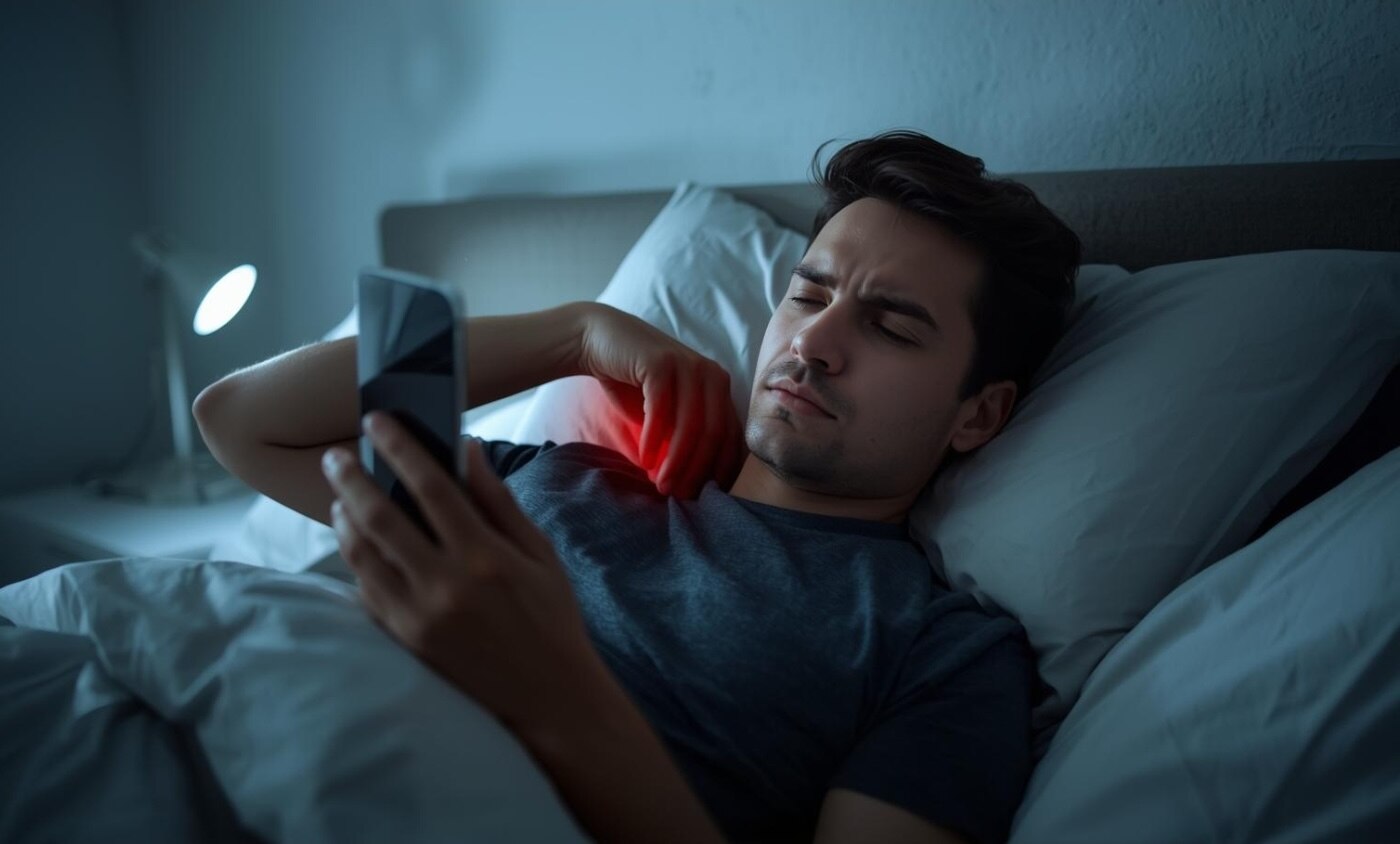
Chronic pain is a term used to describe persistent, ongoing pain lasting for more than 3 to 6 months, often continuing long after an initial injury has healed, but may also be related to an underlying and unchecked injury to the musculoskeletal system OR medical condition. It affects the body’s nervous system by keeping it in a continuous pain loop, causing symptoms like limited mobility, fatigue, and mood swings along with social withdrawal in addition to elevated feelings of anxiety, stress, and depression. The Centers of Disease Control and Prevention reports that nearly one-quarter of U.S. adults, or roughly 60 million people, struggle with chronic pain.
While a primary line of defense against chronic pain involves regular work with a physical therapist and related practitioners, relief is not generally instant. Improvements often take weeks or months of consistent therapy to be noticed, or longer if prescribed exercises, stretches, movements, medications (in some cases), and nutritional adjustments are not followed outside of a clinical environment to the tee. To bide time, especially at night when preparing to sleep or during sleep, sufferers often turn to a variety of coping methods, a number of which are unhealthy. Chronic pain coping mechanisms that are fleetingly effective and obviously unhealthy include substance use. The public is well aware of the risks associated with the consumption of alcohol and drugs to deal with pain. Others, however, seem innocuous, but can actually lead to behavioral problems that may exasperate chronic pain’s symptoms of irritability, social isolation, anxiety, stress, and depression. Those that we’re referring to today are within reach of one’s nightstand, tucked neatly within a digital device. Below is a summary of what these web-enabled activities are, accompanied by a look at how chronic pain sufferers may be more vulnerable to developing unhealthy behaviors relating to them.
How Engaging in Digital Activities as Chronic Pain Coping Mechanisms Can Lead to Behavioral Problems and Worsen Mental Health Symptoms
Chronic Pain and Online Gambling
Chronic pain and gambling are linked, as pain sufferers may use online casino gaming and sports betting (and more recently, prediction market trading) to escape physical and emotional discomfort. The dopamine-driven “high” provided by easily accessible online gambling temporarily masks pain and makes an individual feel as if it is an effective strategy, distracting them from their ailment. This creates a dangerous cycle where pain drives addictive behavior and worsening mental/behavioral health (from problem gambling) increases the need for escape. While chronic pain in itself is a vulnerability, those who exhibit these other issues (click here) must be particularly mindful of using gambling as a means to distract from pain.
Chronic Pain and Online Gaming
Chronic pain and online gaming are also linked. And because of same dopamine-driven relief addressed in the gambling section above, there is a risk in developing addictive behavior when using gaming to distract from chronic pain. This is especially for those who are vulnerable to unhealthy gaming behavior (view vulnerabilities).
Further, chronic pain and video gaming are strongly linked in another way that adds a layer of complexity to the issue. Excessive, repetitive gaming leads to musculoskeletal injuries, with unhealthy players facing a 2–4 times higher risk of chronic pain in the neck, upper back, elbows, and wrists. There is significant concern regarding the reciprocal relationship between unhealthy gaming and chronic pain, and so greater mindfulness regarding participation is highly recommended.
Chronic Pain and Online Pornography
Chronic pain and consumption of online pornography are linked in that the viewing of sexually explicit content (suited to one’s consumption preferences) drives pain-relieving dopamine. It appears to be effective, especially when accompanied by self-stimulation / masturbation which can help an individual get to (or back to) sleep. But when used frequently to cope with chronic pain, habitual behavior is formed. As time passes, online porn consumption must grow in intensity and/or volume to maintain the same dopamine high that was experienced in early stages. It may become a maladaptive, self-soothing cycle of compulsive behavior that elevates some of the same mental health symptoms (view them all here) that a chronic pain suffer is trying to escape in the first place.
Chronic Pain and Social Media Scrolling
ClinicalTrials.gov, a comprehensive, publicly accessible database and registry of privately and publicly funded clinical studies conducted worldwide, recently published a study on the link between fibromyalgia and the act of scrolling / doomscrolling through social media. For the uninitiated, fibromyalgia is a chronic, long-term condition characterized by widespread musculoskeletal pain, fatigue, sleep disturbances, and cognitive issues. The study found that chronic pain and social media scrolling frequently create a negative feedback loop, with pain leading to isolation, prompting excessive social media usage for distraction. Similar to video gaming as a coping mechanism, poor posture assumed during social media scrolling exacerbates physical pain, adding a layer of complexity to an already existing vicious cycle. The study confirmed increased instances of anxiety, depression, and worsened symptoms for those with conditions like fibromyalgia.
Chronic Pain and Online Shopping
Chronic pain and addictive behavior regarding online shopping are related, with excessive time and spending on the likes of Amazon (view vulnerabilities and symptoms) and eBay (view more) serving as a coping mechanism for emotional distress, anxiety, or depression. Chronic pain sufferers may use online shopping to temporarily escape emotional pain, stress, or to gain a sense of control and dopamine-induced euphoria. Both conditions involve high-stress states and can share underlying psychological factors.
Healthier Ways to Manage Chronic Pain’s Mental Health Concerns
With an understanding of what not to do as it relates to web-enabled activities, we can take a quick look at healthy and sustainable ways to deal with negative states associated with chronic pain.
Deep Breathing
Deep breathing, particularly diaphragmatic (belly) breathing, can help manage symptoms of chronic pain by activating the parasympathetic nervous system, lowering cortisol, and reducing muscle tension. Techniques like 4-7-8, box breathing, or simply breathing in for 4 seconds and out for 5 seconds for 5-10 minutes daily can significantly reduce anxiety, stress, mild depression, and pain perception.
Mindful Meditation
Mindful meditation can help manage symptoms of chronic pain by training the brain to shift its relationship with discomfort from resistance to acceptance, often reducing pain intensity and emotional distress. Meditative body scans can be quite effective. These are mindfulness techniques that involve systematically directing attention through different parts of the body, usually from toes to head, to notice physical sensations, tension, or emotions without judgment. Other mindful meditation techniques include breath awareness, and detached observation of pain sensations (also without judgment). Consistent practice over weeks can alter pain processing in the brain.
Virtual Counseling
Unsure of how to properly integrate deep breathing and mindful meditation into your daily regime? Seeking more to ensure that you don’t give in to unhealthy chronic pain coping methods? Working through what you’re experiencing with a behavioral health professional is the key. Through cognitive behavioral therapy (CBT) and dialectal behavioral therapy (DBT) you will be provided the tools and skills to manage the symptoms of chronic pain by changing the negative thoughts, emotions, and behaviors that amplify pain sensations. CBT and DBT can reduce mental health symptoms like depression, anxiety, and distress by promoting relaxation techniques, activity pacing, and shifting from catastrophic thinking to more balanced perspectives.
Kindbridge is uniquely qualified to supplement work with physical therapists and other practitioners to help Americans deal with chronic pain. For starters, one of our service specializations is counseling for elite athletes, many of whom experience mental and behavioral struggles relating to pain from injuries sustained in their sport. Secondly, we are America’s leading treatment provider for digital dependencies. If you’re struggling accordingly, reach out right away to schedule an assessment and to receive a custom treatment plan.