
Online dating began with websites like Match.com (launched in 1995) and Plenty of Fish (2003). They quickly rose in popularity as a means to connect to prospective romantic partners in a relatively safe digital space until ready to meet in-person and potentially form a lasting union. As time progressed, smartphone applications arrived to simplify the process and facilitate a new sexual revolution that removed the expectation of commitment to focus more on casual encounters between consenting adults. To date, online dating apps such as Tinder (largest user base) and Bumble (women-first messaging) in addition to OkCupid and Grindr (focus on inclusivity) have combined to become a more than $6 billion global industry, with North America (specifically the US) accounting for approximately 50% of total revenue. But as with practically all other digitized industries, the growth in active usage has corresponded with a swelling of unhealthy behavior and subsequently fast-rising outreach for help to control this behavior. Search data from Google / Gemini AI indicates the following number of average monthly searches per largely populated U.S. state:
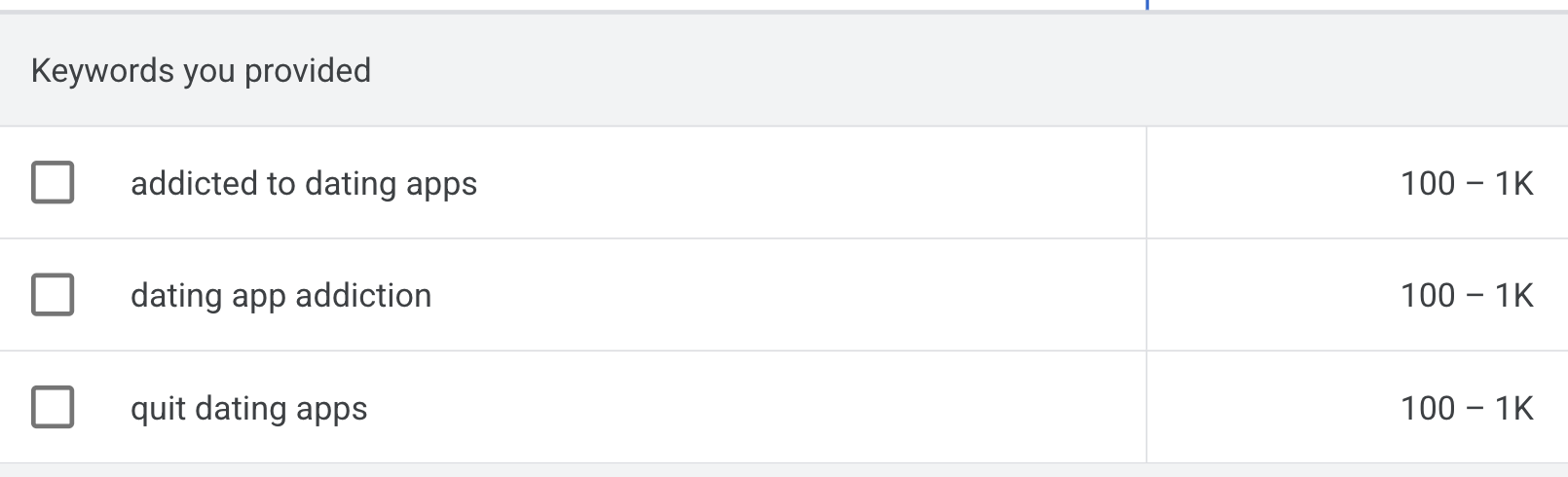
Between searches such as “addicted to dating apps” and “quit dating apps” and numerous semantic variations, there are a large number of people seeking self-control and restraint. Adding complexity to the issue for an individual, is that this so-called dating app addiction is often layered with one or more other behavioral health concerns. In developing an understanding of this, an individual becomes empowered and can make a more informed decision about where to get the help they need. Do you join the thousands of other Americans who want help to get a handle on behavior as it relates to dating apps? Please keep reading.
Overview of Behavioral Addiction to Dating Apps, Cooccurring Issues, and Where to Get Help
Overlap of Dating App Addiction and Sex Addiction?
I. SEXUAL BEHAVIOR DISORDER
Is the literal act of engagement (i.e. spending an unhealthy amount of time using the apps) or the result of engagement (i.e. unhealthy sexual encounters) the problem? It’s often some combination, but it’s important to first explore the latter.
Sex addiction, more appropriately known in clinical environments as sexual behavior disorder, is an impulse control disorder characterized by an inability to manage intense, repetitive sexual urges or behaviors over an extended period. Dating apps that focus on and/or facilitate casual encounters have created an environment that makes it easier for people who are vulnerable to unhealthy sexual behavior to act on their impulses. Research reported by the National Institutes of Health (NIH) indicates a positive association between the use of casual dating apps and behaviors commonly associated with sex addiction, such as compulsive sexual behavior, increased number of partners, and lower sexual satisfaction.
Take an inventory of your history of unhealthy sexual behavior, isolating it, if possible, from dating app usage, although the two may have occurred simultaneously. Signs and symptoms of unhealthy sexual behavior outside of dating app usage include the following:
- Feeling shame, embarrassment and remorse after sex.
- Preoccupation with sex despite negative consequences in your familial, social, and professional life.
- Inability to stop or control the urge to engage in sex.
- Engaging in extramarital or extra relationship affairs.
- Self-prostitution or solicitation of sex workers.
- Compulsive relations with multiple partners, including strangers.
- Unsafe sex practices that put yourself and partners at risk of STDs.
- Obsessive sexual thoughts and fantasies.
- Lying to loved ones and friends to cover up sexual activities.
- Neglecting other interests, hobbies, and activities in your life.
- Using sex to escape from cooccurring mental health concerns such as depression, anxiety, and stress.
- Frequent use of alcohol or drugs immediately prior to and/or during sex.
- Forcing yourself sexually on others.
It’s also necessary to conduct an inventory of mental health issues and behavioral addictions that are known to cooccur with unhealthy sexual behavior. For instance, bipolar disorder and hypersexuality are closely linked, as is hypersexuality with attention-deficit hyperactivity disorder (ADHD), post traumatic stress disorder (PTSD) and more. For quick reference, please note that the following all cooccur and are often cyclical with unhealthy sexual behavior:
| Anxiety | Depression |
| Low Self Esteem w/ Body Image Issues | Eating Disorders |
| ADHD | Bipolar Disorder |
| OCD | Sleep Disorders |
| Adverse Childhood Experiences | Suicidal Ideation and Self-Harm |
| Substance Use Disorder | PTSD |
| Problem Gambling | Unhealthy Gaming |
II. BEHAVIORAL ADDICTION TO DATING APPS
We now return to the literal act of engagement with dating apps versus the result of engagement (i.e. unhealthy sexual encounters). As alluded to in the section above, while there is a high likelihood of comorbidity with mental health issues and process addictions, your unhealthy behavior may be deeply linked to dating application design.
a) Dating Apps Designed to Create Addictive Behavior
Popular dating apps are integrated with “addictive” game-like features such as infinite swiping, variable rewards, and notifications that trigger the release of dopamine in the same manner as casino gaming and sports betting apps (view more on “dark pattern” design). And as with the online gaming industries (gambling and video games) nationwide lawsuits have been filed alleging that popular apps prioritize user engagement over purported goals of either casual encounters or longterm relationship building. Design features and elements that have been pinpointed for being problematic include the following:
- Fear of Missing Out (FOMO): Various dating apps create a sense of urgency, urging users to check for new, potentially better matches constantly instead of exploring deeper connections.
- Gamification for Dopamine Release: Swipe mechanisms and other matching notifications resemble online slot machines, where users feel a rush of pleasure from unpredictability and validation. There is an infinite scrolling element that is designed to create a “trance-like” state, where users constantly seek a dopamine reward. It can foster compulsive, non-stop searching for the next potential match/connection, often leading to anxiety, frustration, and a diminished ability to connect.
- Variable Reward Mechanisms: Various dating apps encourage users to continue swiping (etc.) because they do not know when the next “reward” (a desirable match or connection) will occur.
There is another design integration that creates an environment for healthy behavior that is linked to how dating apps make money. We explore this further below.
b) Microtransactions in Dating Apps
Logically, there is a “pay to play” element to dating apps as developers and investors do need to earn revenue. However, most apps have gone beyond offering traditional membership subscription models and have now integrated microtransactions as a primary method of generating revenue. These microtransactions not only create an environment conducive to unwise spending, they set the table for addictive behavior.
Microtransactions in dating apps are evident as small, often one-time, impulse-driven purchases that are designed to boost visibility and engagement. Common microtransaction features in dating apps include the following:
- Profile Boosts: Various dating apps allow members to enjoy temporarily higher placement of their profile to get significantly more attention from users in their area.
- Super Likes / SuperSwipes: These are paid, premium features designed to notify a potential match of high interest, pushing an individual’s profile to the front of their stack (schedule of upcoming dates).
- Virtual Gifts: Various dating apps offer digital tokens such as roses or hearts that can be sent to initiate conversations or express interest in potential matches / connections.
- Undo/Rewind: This feature allows users to reverse an accidental swipe or other action.
- Read Receipts: This feature alerts users to when a potential match / connection has seen a message.
Click here to view research and more about microtransactions’ addictive properties and what people can do to be more mindful of the impact on behavioral health.
As everything above has made abundantly clear, unhealthy behavior regarding dating app engagement is a complex issue for tens of thousands of Americans. You can leverage this newfound knowledge and make a more informed choice about where to get help to quit dating apps or at least take a break to reassess your relationship with the technology. This is where Kindbridge Behavioral Health comes in. Not only are we America’s leading virtual counseling platform for hypersexuality issues, we are the preeminent treatment provider for digital dependencies. Connect to a Kindbridge care coordinator today to receive a FREE assessment and to schedule your first session with a qualified counselor.