
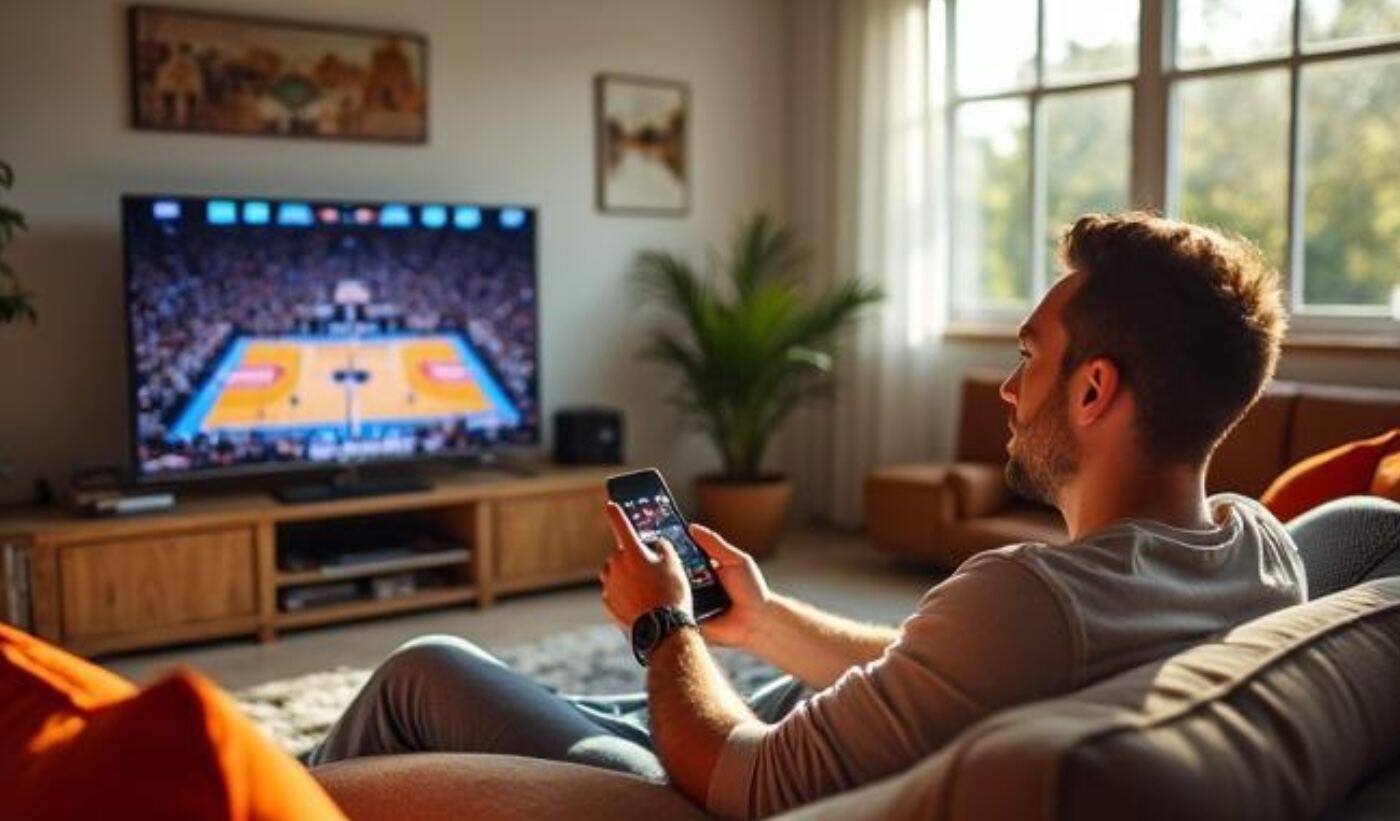
We recently published a March Madness mental health checklist for student athletes who will, or aspire to, participate in the NCAA college basketball tournament. You can read more about it here. Today’s feature, which is being published two-weeks from Selection Sunday, is for a far larger population group. It’s for the near 17 million Americans who tune-in for the three-week sporting phenomenon. More specifically, it’s for those within the viewership who are concerned about their emotional and behavioral wellbeing as the tournament progresses. Anxiety and elevated symptoms of preexisting mental health issues are a concern among vulnerable members of the fanbase. Given the extended duration of the event it’s important to provide this group with insight into triggers and challenges so that they (you?) can be more mindful and seek support where needed.
Overview of Mental Health Challenges Vulnerable Fans May Face During NCAA March Madness
Challenges Related to Betting on March Madness
The American Gaming Association (AGA) reported that for the most recently recorded annum, Americans legally wagered about $3.1 Billion on March Madness. This number is in regard to betting with regulated in-person and online sportsbooks. It does not factor in wagers with unregulated offshore betting sites which the AGA states accounts for roughly 49% of past-year sports bets, sending the true value wagered on March Madness deeper into the billions. Further, another March Madness gambling-related product has entered the fold – prediction markets – which are not regulated by state gambling commissions and are therefore not required to abide by Responsible Gambling mandates established by a given state. In either case, the gambling aspect is to credit for much of the mental health compromise experienced by many during the tournament.
Individual Betting Behavior
The majority of sports betting Americans are able to wager on March Madness in a healthy manner. However, there are many who may have vulnerabilities to impulsive behavior which becomes elevated during involvement If you experience any of the following leading-into and/or during March Madness, we encourage you to connect to a virtual counselor (here) who specializes in addressing unhealthy gambling behavior:
- You are not able to enjoy March Madness purely as a fan (like you used to) without betting on the games.
- You are getting into (or deeper into) debt from betting on March Madness.
- You are borrowing money to cover losses from betting on March Madness. In more extreme cases, you may have stolen or committed fraud to cover these losses.
- You have sold possessions to get money to gamble on the event.
- You neglect professional and familial responsibilities to focus on betting during the tournament.
- You miss out on important time with family, friends, and loved ones to focus on betting related to March Madness.
- You get irritable, restless, or anxious when not able to get online and check results of a March Madness game that you wagered on, or plan to wager on.
- You use your phone to check results of a March Madness game that you wagered on, or plan to wager on, when not safe or appropriate (e.g. when operating a motor vehicle).
- After having recognized that there may be a problem with your betting behavior during the tournament, you have attempted to control or cut down without success.
- You keep gambling on the tournament as a means to cope with and escape negative feelings, including those related to gambling on the tournament. This creates a vicious cycle.
- You lie to loved ones about betting on March Madness after having indicated that you are taking a break.
Office / Social Group Pools
You may not have had any intent to gamble on March Madness, but during the event there are “peer scenarios” that may sideline efforts to remain uninvolved. Office and social sports pools can have negative impacts on mental health, particularly when they transition from lighthearted fun to impulsive, compulsive, high-stakes gambling. While often seen as harmless bonding, they can contribute to stress, anxiety, financial strain, and the normalization of gambling in environments where it is not appropriate.
For workplace situations, you may need to request (anonymously or otherwise) a policy against gambling activities which includes March Madness pools. View more on workplace policies against gambling. For familial / social March Madness betting pools, considering having a conversation with those you are closest to about how you are unable to participate responsibly. This article (click here) provides insight into how to have this discussion with loved ones.
If unable to initiate a conversation in a workplace of familial/social setting, be sure to connect to a virtual counselor (here) who specializes in addressing unhealthy gambling behavior.
Taking it Out on Players
While considered a sign of problematic sports wagering that could have been included in the first section about individual betting behavior, we wanted to draw attention to this unfortunately emerging phenomenon. It has become an issue since sports betting, namely player prop betting, became legal in most U.S. states. A number of sports bettors who struggle to participate responsibly have been targeting athletes who, as they see it, are responsible for their gambling losses. The NCAA recent released the results of a study (view here) that uncovered troubling statistics. They found that angry sports bettors drive as much as 45% of all abuse surrounding major sports tournaments, with 80% of the abuse specifically directed at student-athletes participating in March Madness.
If you find yourself getting angry at players for their performance during the tournament, resist the urge to grab your phone to lobby blame and insults at them. Instead, use your mobile device to connect to a virtual counselor (here) and work through the negative feelings.
Challenges Related to Substance Use During March Madness
Substance use, particularly binge drinking, significantly increases during the NCAA March Madness tournament due to heightened, long-term fan engagement, watch parties, and social pressure. An Ohio State University study shows that the rise in binge drinking among male students at tournament schools is higher and accompanied by increased alcohol-related emergency room visits and drunk driving. The issue expands beyond the campus environment, though, as studies confirm a relationship between substance abuse and team identification in sports tournaments among fans from the general population.
If you struggle with substance use, with symptoms being elevated during the tournament, connect to a qualified counselor right away.
General Anxiety and Stress During March Madness
March Madness mental health challenges aren’t just about behavioral addictions. As someone who may have a preexisting mental health issue, you may experience overwhelming feelings of anxiety and stress during the tournament. Unlike those felt by the “average” fan who is following their favorite team’s progress (and often eventual failure) you may feel extreme anxiety that stems from intense emotional investment, fear of losing, and the high-stakes, unpredictable nature of games, causing physical stress symptoms.
If you experience extreme anxiety when following your beloved team/s participation during March Madness, engage in the following exercises:
- Practice mindfulness: Stay in the present moment rather than worrying about the future outcome of a given game and the tournament as a whole.
- Deep breathing: Take slow, deep breaths to calm your nervous system leading into or during a game that is important to you.
- Limit exposure: If a game is too intense, take breaks, mute the volume, or check the results later.
- Reframe the experience: Remind yourself that they are just games, and the results do not directly impact your life.
- Talk to a counselor: A counselor is available online right now, who can help you with the techniques listed above and to offer other tools for managing anxiety and stress during the tournament. More importantly, they will work with you to get to the root of the issue (where applicable) which will inform a more holistic wellness strategy. Click or call below to get started.