
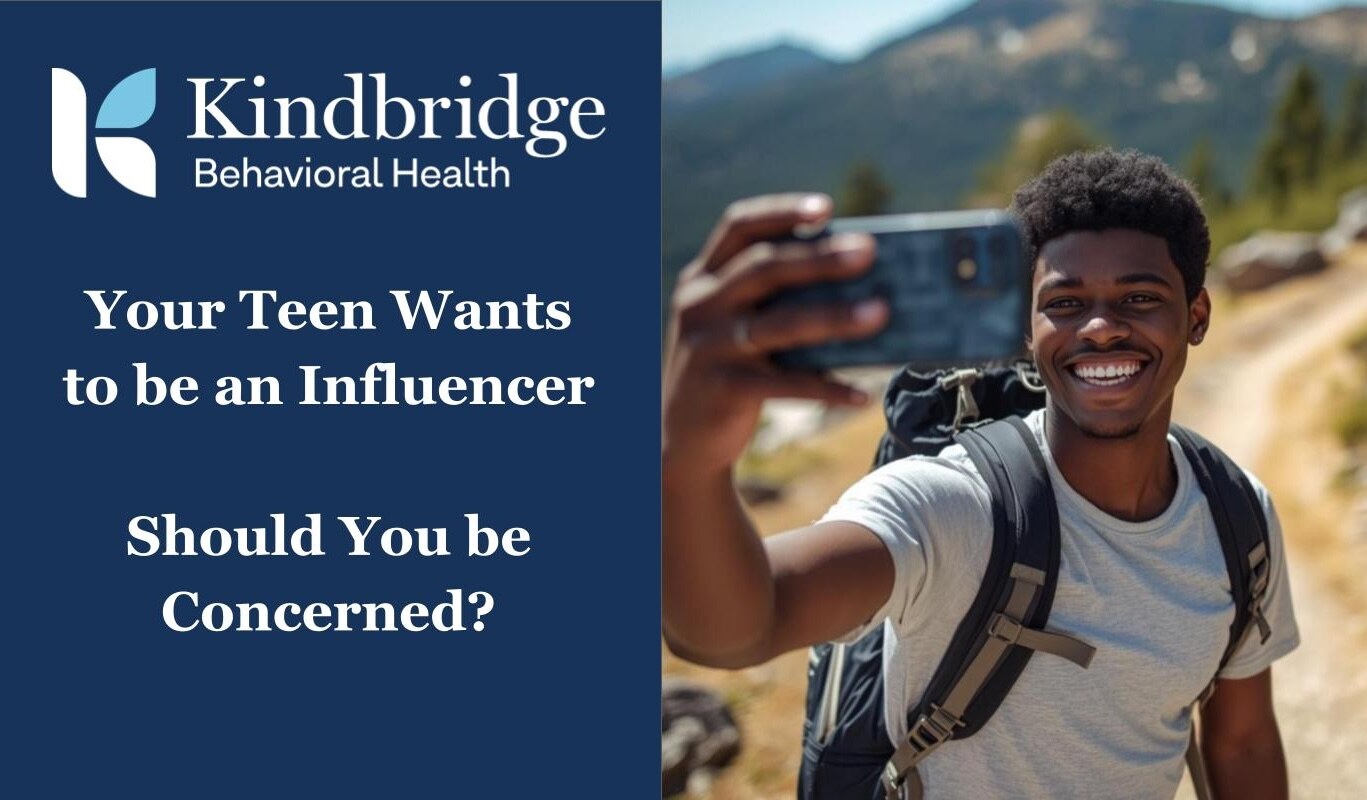
There was a time when parents would balk about their children announcing that they wanted to be a professional musician, actor, or athlete. While those lofty ambitions still persist, another spotlit goal has entered the picture – becoming a social media influencer. For clarity, a social media influencer is an individual with a strong online presence, who generally establishes credibility in a specific niche such as fashion, travel, tech, or fitness, et cetera. They leverage platforms like YouTube, Instagram, or TikTok to build and sustain a dedicated following. Their strong online presence has a trend-setting impact on their followers’ opinions, behaviors, and purchasing decisions. It is considered a modern career prospect because an influencer receives income through paid brand partnerships, either as a set rate or a hybrid agreement with commissions. One needn’t have millions of followers/subscribers to attain revenue. Revenue averages are broken down by the following tiers:
Nano-Influencers (1,000–10,000 followers): They generally earn between $100 and $500 per month from brand collaborations.
Micro-Influencers (10,000–50,000/100,000 followers): They generally earn between $1,000 and $5,000 per month from brand collaborations.
Mid-Tier Influencers (50,000–500,000 followers): They generally earn between $5,000 and $15,000 per month from brand collaborations.
Macro-Influencers (500,000–1,000,000+ followers): They generally earn between $15,000 and $25,000 per month from brand collaborations.
Mega-Influencers (1,000,000+ followers): They generally earn between $25,000 and $100,000 per month from brand collaborations.
Technically, an adolescent can become an independent influencer in the United States at the age of 13, which is the minimum allowable age on the previously mentioned social networks, although there are some successful influencers under the age of 13. The latter is allowed when social media channels are managed and curated by a parent or legal guardian. FORBES has compiled results (view here) from recent surveys indicating that anywhere between 25% to 33% (contingent upon social media platform) American adolescents aspire to be social media influencers. It has surpassed traditional career aspirations such as being a doctor (15%) or teacher (14%).
As a parent who has recently been informed by your age-appropriate child that they want to join the millions of other American teens in this grandiose goal – effective immediately – you are somewhat befuddled. You may be OK with them currently maintaining social media profiles where they engage with classmates, friends, and family, but you’re concerned about them attempting to reach a wider audience. You are aware of the well-documented negative mental and behavioral health impacts of social media amongst teenagers (discussed further below). You have also heard that social media was recently banned for kids under 16-years of age in Australia, and why France just announced the same for citizens under the age of 15. At press, the UK and Canada are both considering similar measures for children aged 15 and 14, respectively.
At the same time, you may have also observed that social media has had positive mental health impacts in some areas for your child’s life. Potential benefits include the following:
- Social connectivity: This is especially for those who may have had trouble forming friendships in traditional in-person settings. This also includes peer support, fostering digital communities that reduce isolation, especially for marginalized, shy, or anxious youth.
- Identity exploration: Provides a platform for self-expression, community building, and experimentation with different personas.
- Outlet for interests: Provides a platform for creative expression, connecting them with niche communities (e.g., art, cooking, etc.) and offering access to diverse perspectives or educational content. It can act as a tool for creative development, allowing for self-expression and skill-building in an often anonymous space.
All of this is very confusing for a parent who simply wants what’s best for their child. Accepting that in modern times and for the foreseeable future, “influencer” is an official career designation, you realize that outright denying them the opportunity would be akin to telling them that they cannot be a professional musician, actor, athlete, or astronaut. As a result, you have come online and entered “my child wants to be an influencer” into Google or ChatGPT with the hope of finding insight that will help you make a more informed decision about how to proceed.
As America’s leading counseling provider for those who struggle to maintain healthy relationships with internet-enabled technologies, we have insight on the matter. The following suggestions may allow your child to explore their current ambition, have a positive impact on the community (following), and keep everything within your parental comfort zone.
Considerations for Supporting Your Teenager’s Dream to be an Influencer in a Way That Supports Their Mental Health and Wellness
Have an Informed Discussion About the Mental Health Risks
Set aside at least an hour to talk to your teenager openly and without judgment about social media’s impact, focusing on self-awareness, digital literacy, and setting healthy boundaries. They must not buy-in to the curated life that is expected of influencers. A curated life is the result of an influencer intentionally selecting and organizing the elements of their life – generally possessions and experiences – to align with certain values, goals, and aesthetic. In doing so, they run the risk of creating unrealistic expectations of themselves and fueling unhealthy comparisons with others in their position. They will also be called out by trolls, those who will lob inflammatory, disruptive, or off-topic comments at influencers to provoke arguments, upset them, and/or derail conversations for their own amusement or gain, using anonymity to avoid accountability. All of this sets the table for anxiety or depression (more on this below).
Learning how to manage self-criticism / outer-criticism and harassment is one way to maintain focus on mental health, but awareness about addictive behavior regarding your teen’s use of social media is equally important. After all, it will be their “job” to be on social media. In your discussion, emphasize that platforms are absolutely designed to be addictive. Let them know that this is why you must impose a limit on how much time in their day that they can use social media. From there, ensure that they are fully aware of the following signs of unhealthy use of social media among teens:
- They get irritable, restless, or anxious when they are not able to get online and check their profiles.
- They feel unsettled when there is no access to the internet, if one of their social networks is down, or it is slower than usual.
- They use their phone to access social media when not safe or appropriate, such as when they are riding a bike or driving.
- They prefers to to communicate with “real” friends and family through social media rather than face-to-face.
- They feel the need to share everyday things all the time, on social media, beyond what is specific to their influencer channel.
- They think that other’s lives are better than theirs, depending on what we see on other channels.
- They attempt to control or cut down on usage without success.
- They go on social media as a means to cope with and escape negative feelings.
- They lie to their family about being on social media during blackout periods.
- They feel depressed when not getting engagement (likes, comments, or shares). This is particularly challenging for influencers because engagement is tethered to their financial success.
Ultimately, before you allow them to attempt to become an influencer, they must agree to not take the goal so seriously that they will let it compromise their emotions, feelings, and overall mental wellbeing.
No Room for Underlying Mental Health Issues
There are a number of mental health issues and related disorders that cooccur with process addictions. If your teenager has been diagnosed with one of the following (which are comorbid with unhealthy use of social media) then it is not recommended for them to follow the path of being an influencer, or at least until they are adults (ideally the mid-to-late 20s when their prefrontal cortex has fully developed) and have learned to manage their condition/s through therapy.
| Anxiety | Depression |
| Low Self Esteem w/ Body Image Issues | Eating Disorders |
| ADHD | Bipolar Disorder |
| OCD | Sleep Disorders |
| Adverse Childhood Experiences | Suicidal Ideation and Self-Harm |
Create a Channel / Profile That Promotes Healthy Living for Peers
To mitigate the risk of negative mental health impacts, aspiring teen influencers should avoid creating content that carries a higher risk of harassment, abuse, and mental health compromise, be it directed at them or their followers from others in the audience. The following are the top three content categories teens want to influence in, based on trends, which just so happen to carry an elevated risk to mental wellbeing:
- Video gaming
- Beauty and skincare
- Fashion and style
Teenagers should steer clear of creating content that solely promotes an aesthetic and unhealthy competition with others and among followers. It’s easy for a parent to understand why being a gaming influencer may be a bad idea for a vulnerable adolescent, but even those that seem beneficial can be problematic. For instance, while being a “teen fitness” influencer sounds like a great idea, it can promote content that fosters negative body image and mental strain, indicating a complex, often detrimental, impact on their mental health, and that of their followers/subscribers.
Instead, encourage your teen to focus on a niche that they have a passion for and that truly promotes healthy living without the content funnel leading to competition or an aesthetic. Examples of healthy teenager influencer niches include the following:
- Baking and cooking
- Gardening
- Outdoor recreation that focuses on the activity
- Animal and wildlife care
- Care for the environment, such as a weekly beach cleanup adventure channel, etc.
- Arts and culture
- Literature
All of the above are associated with mental health benefits. Creating such content will not only keep them in a healthy space with respect to feelings and emotions, it will create a legion of followers/subscribers who will be positively impacted by the content your teen creates. This will circle right back into the wellness of your teen because helping others is directly associated with increased feelings of happiness in adolescents.
Teach Them Financial Literacy
Should your teenager find some success as an influencer (again, even a micro-influencer can make about $500/m) you will have an incredible opportunity to engage them in concepts of financial literacy.
As their parent or legal guardian, you can require that the bulk of their revenue be put towards their future such as a college fund and other interest earning financial instruments. Teach them all about it, instead of just taking it and investing it for them without much communication on the matter. Further, teach them about business budgeting, as a portion of their revenue can be reinvested into their social media channel. Additionally, collaborate with your teenager to come up with a way to support a cause (or causes) that they care about. This support can come in the form of financial donation as a percentage of proceeds they may have earned as influencers. This teaches them about tax benefits, but also adds another layer of altruism to their career as an influencer, which as addressed in the section above, can have a reciprocal mental health benefit.
Ongoing Parental Supervision Required
If you plan to let your teenager become an influencer, be prepared to take on the part-time job of monitoring the entire experience. Even through you will need to establish a protocol over what content gets produced, let your teen know that you have final approval on all content before it gets posted or shared so that nothing problematic (i.e. too revealing) slips through the cracks. Further, monitor the comment sections and upvote/downvote metrics to look for signs of concerning engagement (verbal abuse, harassment, threats, etc.). While you may choose to afford your teen privacy with respect to direct messages (DMs) you can require access to DMs for teens under the age of 14 or 15 as long as you inform them that this is required.
Let your teen know that if at any point in time that there are clear and present risks to their wellbeing, that you will step in with reasonable and situation appropriate interventions. One recommended intervention should you suspect mental health compromise, is counseling. As mentioned in the introduction, we’re America’s leading virtual counseling provider for those who struggle to maintain healthy relationships with internet-enabled technologies. We offer one-on-one counseling and family counseling online and by-phone. If needed, reach out via the contacts provided below.