

The Wall Street Journal reports that as of early 2026, Amazon has dethroned Walmart as the world’s biggest company by annual sales revenue. While they have a massive and diverse ecosystem, including cloud computing (AWS) and a variety of other business services, its online consumer-facing retail and subscription services lead the charge. Amazon has become a ubiquitous force in daily life across the United States, providing commerce-convenience and entertainment to millions of active users. But as with other digital platforms in the same vein, widespread adoption does not come without consequence to public health. Concurrent with Amazon claiming the title as the planet’s leader in annual sales revenue, is a growth in online search for insight into addictive behaviors relating to the use Amazon.
*Note: The following table is from Google / Gemini AI, indicating monthly online search volume (on average) per largely populated U.S. state.
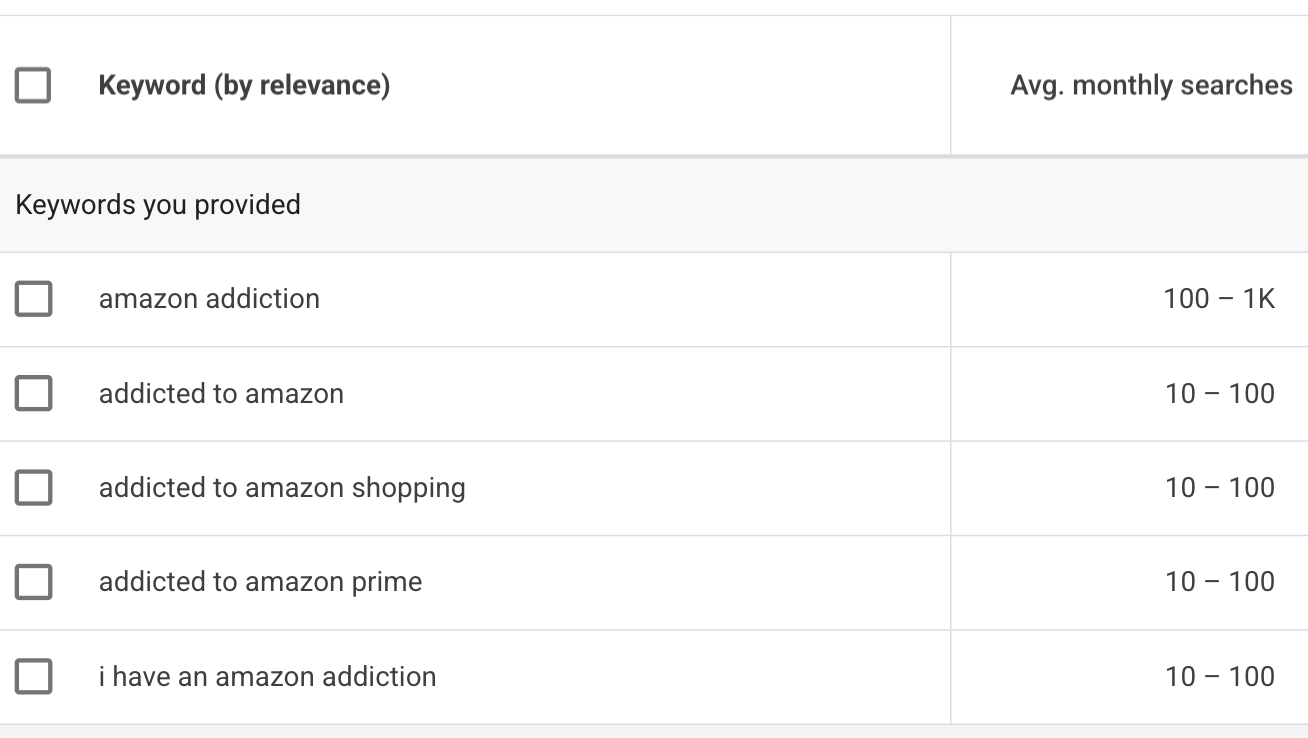
Hundreds to thousands of individuals within each U.S. state self-report as having an Amazon addiction. True, some declare it trivially when gathered around the watercooler, but those who enter the words into their search browsers when alone after a bout of excessive consumption are questioning their behavior. They are who this article intends to reach. As someone who arrived here after searching “addicted to Amazon” (et cetera) you may be among this group. Below is a summary of who may be more vulnerable to unhealthy use of Amazon’s consumer-facing services and what else you need to know about the perceived addiction.
Overview of Addictive Behavior Relating to Amazon Online Shopping and Consumer Subscription Services
I. Addictive Shopping Experience on Amazon
Compulsive Buying-Shopping Disorder (CBSD)
Has excessive spending on products via the Amazon app led you to this article? If so, your perceived addiction to Amazon Prime may be connected to compulsive buying-shopping disorder. CBSD is a behavioral health addiction characterized by an irresistible, repetitive, and excessive urge to buy things, resulting in a number of negative consequences.
Amazon’s online shopping experience has been studiously designed to takeover the brain’s reward system. It utilizes a range of psychologically driven, high-frictionless features to encourage impulsive, and frequent buying behavior. Particularly “addictive” elements include microtransactions (view more), one-click ordering, fast-free shipping for Prime members (more on this below), subscribe-and-save automatic refills, and personalized, AI-driven recommendations. Amazon Rufus is a recently added feature (replacing their TikTok-esque “Inspire”). This AI-powered conversational shopping assistant has ben integrated into the Amazon Shopping app and website. It is designed to be highly engaging and persuasive, leading to significantly increased interaction and, as reported, is leading to user frustration due to its persistent nature. All of this turns user browsing experiences into continuous, dopamine-fueled consumption. Online shopping on Amazon is engineered to function as a “dopamine loop”, creating a continuous cycle of anticipation, reward, and craving that mirrors addictive behavior. The brain releases dopamine not just when completing a purchase, but during the anticipation of a reward, such as browsing for items and waiting for a package to arrive.
Fast Delivery, Delivers Dopamine Too
Prime’s fast, often same-day delivery is also worth drawing attention to in this discussion about a perceived Amazon addiction. It feeds addictive behavior by creating a Pavlovian response to the “thrill” of instant gratification that is unlike other online shopping platforms.
Social Connection Further Fuels Addictive Behavior
Amazon purchases are a part of the unboxing phenomenon on social media. Unboxing is a social media video (IG Reels, TikTok, YouTube) trend where creators film themselves opening new products, showcasing the packaging, initial reactions, and product features. These, often, ASMR-style videos build anticipation and trust, allowing viewers to experience the excitement of a new purchase, frequently used for tech, beauty, and subscription boxes. From a viewer perspective, this video documentation of opening new deliveries triggers dopamine, the neurotransmitter associated with reward and anticipation. This phenomenon exploits the brain’s desire for novelty and curiosity, creating a neurotransmitter response similar to gambling. From the perspective of the content creator – the buyer and recipient of deliveries – unboxing videos also provides a significant dopamine hit by simulating the psychological thrill of receiving rewards. Rewards are not just found in seeing, touching, and feeling the item they just received, but the social media likes, comments, shares, and follows/subscriptions they attain as a result. Further compounding this already heavily layered dopamine-inducing loop, is the “haul” phenomenon. Hauls are an extension of the unboxing trend, where current or aspiring influencers, creators, or users showcase a large quantity of recently purchased items. Haul videos, where influencers showcase large quantities of purchased items, drive unhealthy consumer spending by promoting overconsumption and materialistic trends. While existing influencers may receive these large quantities of items at no cost (e.g. as part of a sponsorship agreement), aspiring content creators feel pressure to participate in the unboxing of hauls, and as a result may spend beyond their means on platforms such as Amazon.
II. Signs of Unhealthy Shopping Behavior on Amazon
- You are in debt or have experienced financial strain due to shopping on Amazon.
- You often buys things on Amazon that you don’t need and/or can’t afford. This is common to those who participate in social media sharing of purchases via unboxing of hauls (see section above).
- You have lied to loved ones about Amazon purchases and/or the prices of items purchased on Amazon.
- You have lied to loved ones about shopping on Amazon when you have indicated that you were going to take a break.
- You give in to the uncontrollable urge to browse Amazon listings frequently through the day.
- You get irritable, restless, or anxious when not able to get online and check Amazon listings and promotions.
- You use your phone to access the Amazon app when not safe, such as when operating a motor vehicle, while on the treadmill at the gym, etc.
- You shop the Amazon app/website when not appropriate, such as at work.
- You visit the Amazon app/website as a means to cope with and escape negative feelings.
- You feel guilty or regretful after shopping on Amazon.
- You have attempted to control or cut down on Amazon shopping without success.
If you exhibit a combination of three or more of the following behaviors, we encourage you to evolve your search for insight into a perceived Amazon addiction by connecting to a counselor.
III. Issues that May Cooccur w/ Unhealthy Use of Amazon
Problematic online shopping on any online platform (Amazon included) is known to cooccur with various mental health issues, often as a maladaptive coping mechanism. Those who live with one or more of the following may be more likely to develop unhealthy behavior on Amazon:
| Anxiety | Depression |
| Low Self Esteem | Eating Disorders |
| ADHD | Bipolar Disorder |
| OCD | PTSD |
IV. Addicted to Amazon Prime Streaming Too?
Most searches for insight and support for a perceived addiction to Amazon relate to the online shopping experience. However, a select number of individuals may, or may also, struggle with Amazon’s other consumer-facing subscription service. Prime Video streaming is also is layered with integrations that can be problematic for vulnerable persons. We have already created valuable resources to reference that can provide you (as applicable) with insight into why you may struggle to consume content on Prime Video or any other content streaming provider in a healthy manner. Select from the links below to explore this behavioral health concern.
- Microtransactions in Streaming Services to Watch Out For
- Addictive Behavior Relating to Binge Watching
If your behavior on Amazon or any other online platform is having a negative impact on your wellbeing, it’s time to prioritize your mental health. Connect to a virtual counselor who specializes in the treatment of digital dependencies, including those related to platforms like Amazon. Reach out via your preferred form of contact below.